|
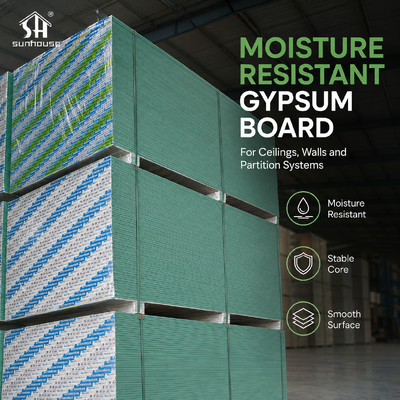
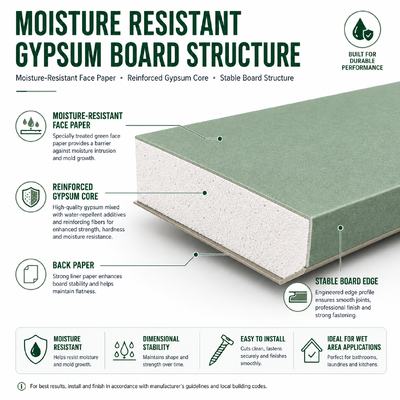
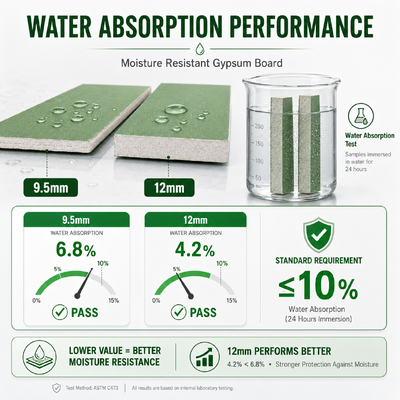
| Brand Name: | SUNHOUSE |
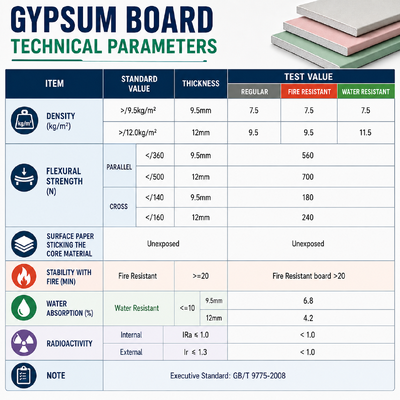
| Model Number: | 1220x244m-12mm |
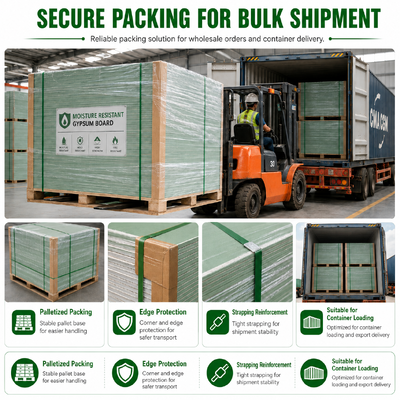
| MOQ: | 800 |
| Payment Terms: | L/C,T/T |
Buyers often group kitchens, laundry rooms, basements and washrooms together as “humid areas,” but the actual moisture source can be very different in each location.
Some spaces mainly face steam and condensation, while others may face floor moisture, hidden leaks, poor ventilation or repeated cleaning. The board should be selected according to the real exposure condition, not only the room name.
A kitchen may experience cooking steam. A laundry room may combine heat, humidity and plumbing. A basement may face condensation or moisture migration from surrounding construction. A commercial washroom may experience frequent cleaning and high occupancy.
Treating all of these spaces as one application can lead to over-specification in some areas and insufficient protection in others.
Cooking steam, temperature changes and local splash around sinks create intermittent moisture exposure.
Washing machines, dryers, plumbing and warm humid air can create repeated moisture cycles.
Cool surfaces, limited ventilation and possible moisture migration can create condensation or persistent dampness.
Cleaning, plumbing services and occasional leaks can create local moisture risks not found in normal dry rooms.
| Area | Typical Moisture Source | Buyer Focus |
|---|---|---|
| Kitchen Wall | Steam, sink splash, temperature changes | Suitable board type, finish system and local splash protection |
| Laundry Room | Humidity, appliances, plumbing | Ventilation, wall location and leak risk |
| Basement Partition | Condensation, cool surfaces, damp surroundings | Wall cavity moisture and building-envelope condition |
| Utility Room | Cleaning, pipes, occasional local leaks | Durable finish, service penetrations and moisture source control |
General kitchen walls may mainly face intermittent steam and indoor humidity, while areas directly behind sinks or water connections can experience a higher local moisture load.
Buyers should separate the general wall specification from areas that need additional splash protection or a different finish system.
The wall beside a cooking area and the wall around a sink can have very different moisture exposure.
Basements can remain cool while indoor air carries moisture. If surrounding walls or floors are damp, the gypsum partition may be exposed to moisture from more than one direction.
In this situation, changing from standard drywall to a humidity-resistant panel may help with the board specification, but it does not solve building-envelope leakage or persistent dampness.
| Basement Issue | What Buyers Should Check |
|---|---|
| Cold Wall Surface | Condensation risk and wall-cavity conditions |
| Damp Floor | Bottom-edge protection and moisture source |
| External Water Entry | Building-envelope waterproofing rather than gypsum board alone |
| Low Air Movement | Ventilation and drying potential |
| Weak Specification | Better Specification |
|---|---|
| Use moisture resistant board in kitchen | Define wall location, splash exposure, finish and ventilation |
| Use green board in basement | Check condensation, floor moisture and wall-envelope condition |
| Use one board for all utility rooms | Classify each space by moisture source and exposure frequency |
| Higher grade board solves leaks | Fix the water source first, then specify the wall system |
Kitchens, laundry rooms, basements and utility areas may all be described as humid interiors, but they can expose wall systems to very different moisture conditions.
Buyers should identify whether the main risk is steam, condensation, splash, plumbing leakage, floor moisture or poor drying before deciding on the board specification.
This approach makes supplier comparison more accurate and helps avoid using one generic moisture-resistant product description for every project condition.
Send us your board size, thickness, room type, wall or ceiling application and expected moisture conditions. Suitable gypsum panel specifications can be matched for kitchens, laundry rooms, basements, utility rooms and interior partitions.
Request Project Board Specification english
 français
 Deutsch
 Italiano
 Русский
 Español
 português
 Nederlandse
 ελληνικά
 日本語
日本語
 한국
한국
 العربية
 हिन्दी
 Türkçe
 indonesia
 tiếng Việt
 ไทย
ไทย
 বাংলা
বাংলা
 فارسی
فارسی
 polski